-

-
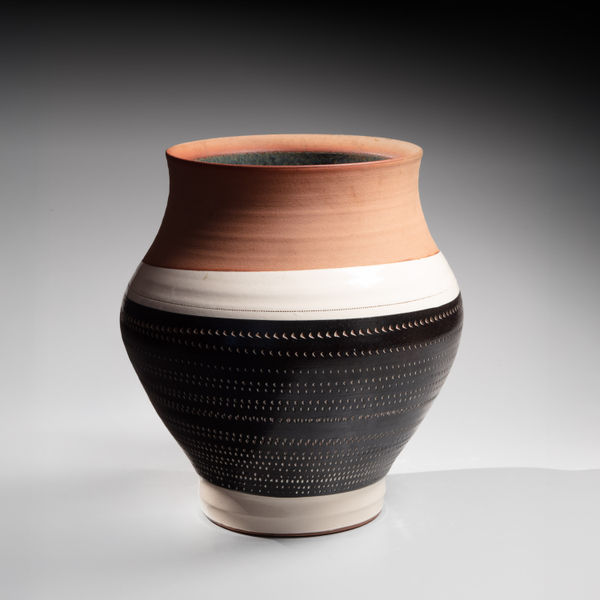
MORI TŌGAKUTall unglazed vessel with wide, rounded shoulders, cut-outs resembling a basket weave, and incised linear striations, 1974View more details
-
MORI TŌGAKUConical unglazed earthenware vase with bands of oxidized silver, ca. 1977View more details
-
MORI TŌGAKUStraight-walled unglazed earthenware vessel with rounded base and bands of oxidized silver with incised lines, 1977View more details
-
MORI TŌGAKULozenge-shaped unglazed earthenware vessel with raised mouth and vertical bands of oxidized silver with incised lines, 1977View more details
-
MORI TŌGAKUUnglazed earthenware vessel with diamond-shaped body, scalloped mouth, and marbleized red and purple designs made with iron oxide red pigments, 1984View more details
-
MORI TŌGAKUOvoid vessel with biomorphic design and protruding, yellow-glazed adhesions, 1985View more details
-
MORI TŌGAKUUnglazed earthenware vessel with rounded base, pinched waist, and flaring scalloped mouth with marbleized bands of purple and red clay, 1984View more details
-
MORI TŌGAKUTall unglazed vessel with four-lobed body on a rectangular foot and flaring four-lobed mouth, 1980-1990View more details
-
-
MORI TŌGAKUMulti-faceted unglazed vessel with protruding, four-lobed mouth, 1980-1990View more details
-
MORI TŌGAKUTall columnar vessel with marquise-shaped foot, six-lobed mouth, and kiln effects, 1980-1990View more details
-
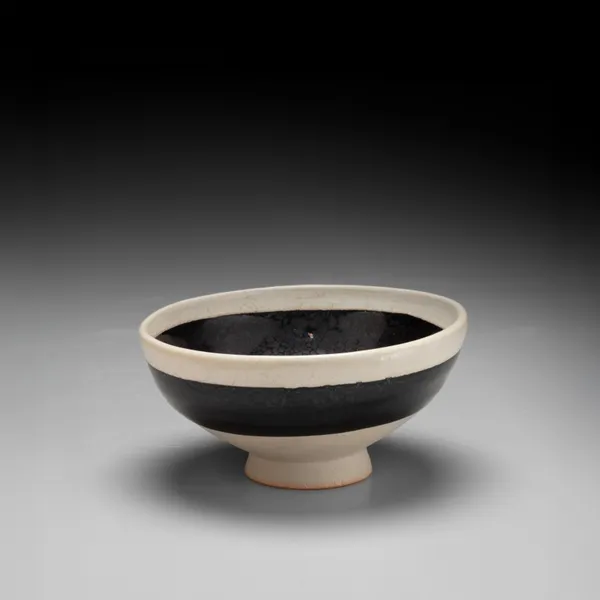
MORI TŌGAKURound porcelain teabowl with undulating bands of white, dark blue, periwinkle, and gray glazes, 1983View more details
-
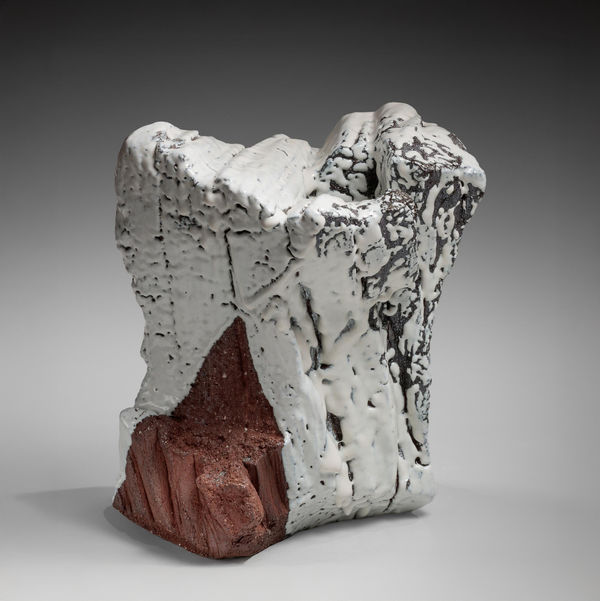
MORI TŌGAKUUnglazed waterjar with triangular faceting and black lacquer triangular lid, 1990View more details
-
-
MORI TŌGAKUBrownish-black porcelaneous stoneware vessel with triangular faceting and triangular mouth, 1989View more details
-
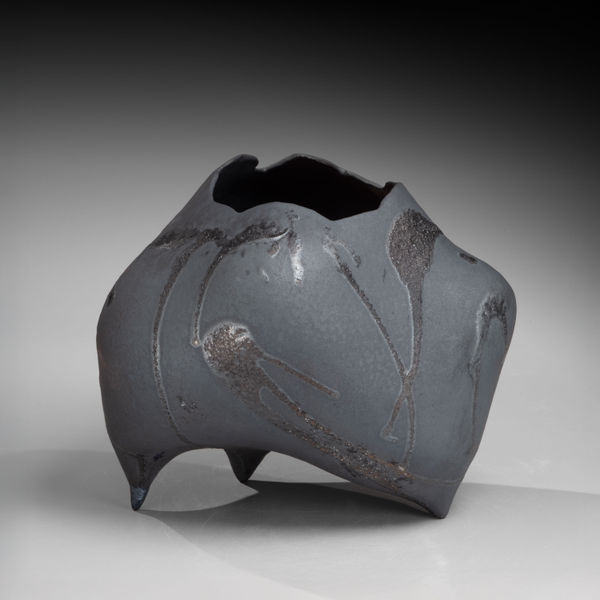
MORI TŌGAKUBrownish-black porcelaneous stoneware vessel with undulating bands, November 1989View more details
-
-
MORI TŌGAKULarge undulating platter with cascading drips of natural ash glaze and central botamochi cross motif, 1990 (Feb. 21)View more details
-
MORI TŌGAKUUnglazed single-stem vase with bulbous base and hidasuki straw kiln effects, 1994View more details
-
MORI TŌGAKUShallow octagonal-faceted unglazed vessel with hidasuki straw kiln effects, 1994View more details
-
MORI TŌGAKUBlack rectangular platter with circular botamochi motif in center featuring hidasuki straw kiln effects, 2001View more details
-
-
-
SAWADA HAYATOカタチと色の構成 (Katachi to iro no kōsei); Composition of Shape and Color, 2024View more details
-
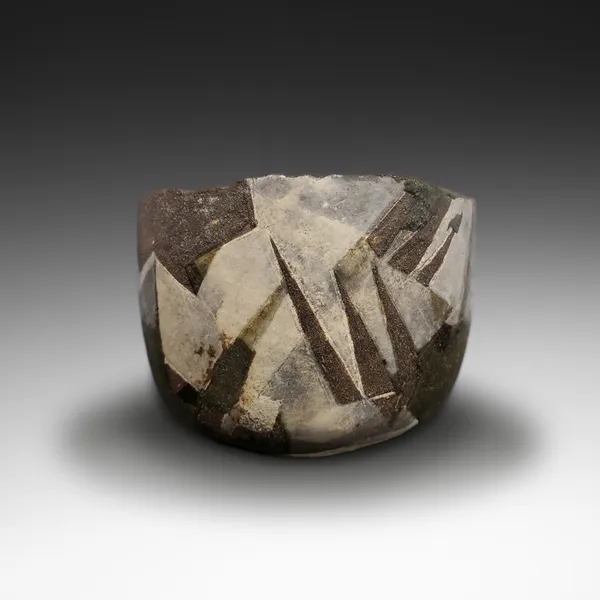
WADA MORIHIRORound teabowl with abstract geometric patterning in white and brown glazes, ca. 1995View more details
-
-
ITŌ TADASHIRound, hemispheric sculpture with tear-drop opening revealing sunken-glazed base, titled "Ocean Mist 2012", 2012View more details
-
-
-
-
-
KONDŌ YUTAKABroad vessel with wide, unglazed mouth and textured roulette-patterning, ca. 1973View more details
-
NAKAIGAWA YUKIBiomorphic creamy white sculpture in suggestive of cluster of open fruit, 2025View more details
-
-
-
MATSUDA YURIKORound incense container (kōgō) with red and yellow web-like patterning and green dots, ca. 1980View more details
-
-
MORINO AKITOVessel with rounded base and tall thick neck covered in platinum and gold dotted patterns forming butterflies and auspicious numerical designs, 2021View more details
-
-
-
-
-
FUJIHIRA SHINSculpture in the form of a fish mounted on a rectangular base with blue-ish gray diagonal stripes, 1992View more details
-
-
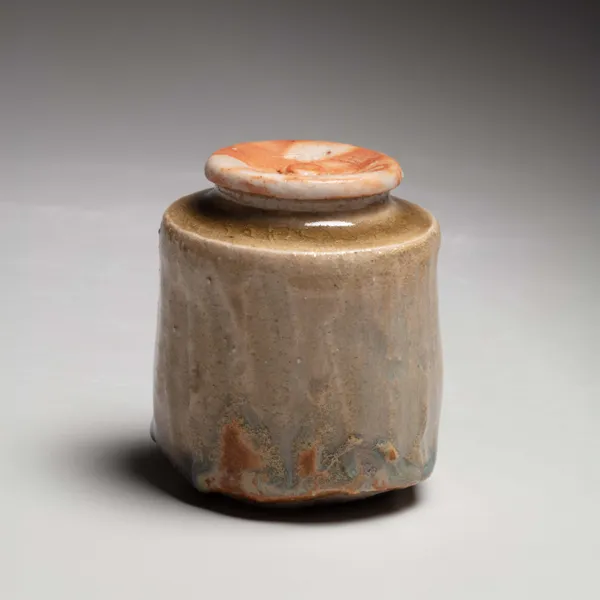
ARAKAWA TOYOZŌKi Seto (yellow Seto) faceted tea caddy with round shino cover, ca. 1970View more details
-
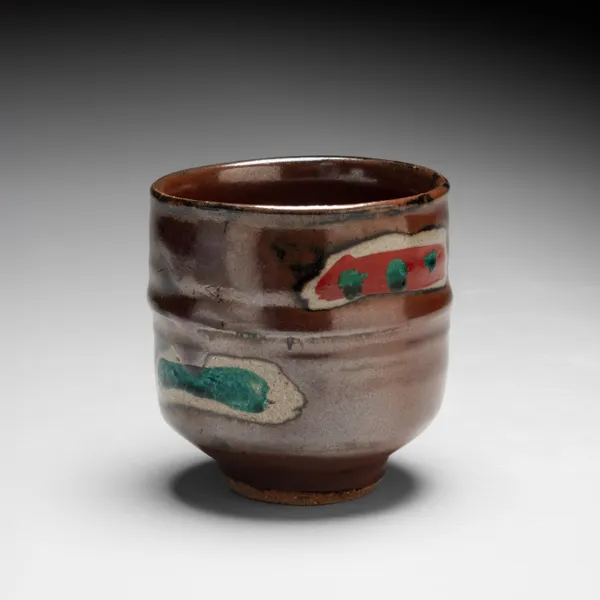
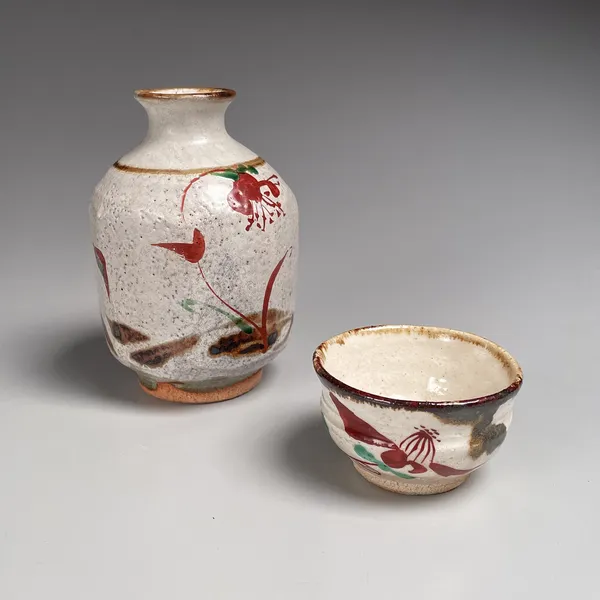
FUJIMOTO YOSHIMICHI (NŌDŌ)Stoneware tokkuri (sake flask) and guinomi (sake cup) with red and green floral patterning, ca. 1975View more details
-
KATŌ TSUBUSAConical teabowl on high narrow foot with sometsuke (blue underglaze) decoration and dripping seihakuji (bluish-white) celadon glaze, 2001View more details
-
TAKEGOSHI JUNTall square vessel with angled shoulders and tapered neck depicting sow thistle and crows, 2025View more details
-
-
KANETA MASANAOScooped-out hook-shaped vessel with Hagi and kiln-effect ash-glazing, 2009View more details
-
UTAGAWA TOYOKUNI IThe Kabuki Actors: Onoe Matsuke I (1755-1801) as Iwafuji (Right) and Iwai Kumesaburô as Ohatsu (Left), ca. 1796View more details
-
-
-
-
-
-
-
KATSUSHIKA HOKUSAIMoso in Front of a Giant Bamboo Shoot (Giant Bamboo Shoot Appearing from the Snow), ca 1831View more details
-
-
-
-