Katō Tsubusa 加藤 委 1962-2025
-

Photography by Carol Horvitz
-
-
Exhibitions
-
Playing with Tradition: Modern and Contemporary Mino
January 5 - February 27, 2026Read more -
Eternal Partnership
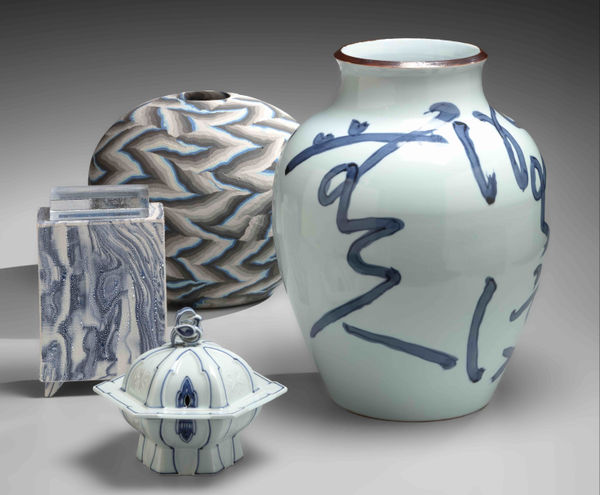
Japanese Ceramics in Blue/White March 14 - April 19, 2024Read more -
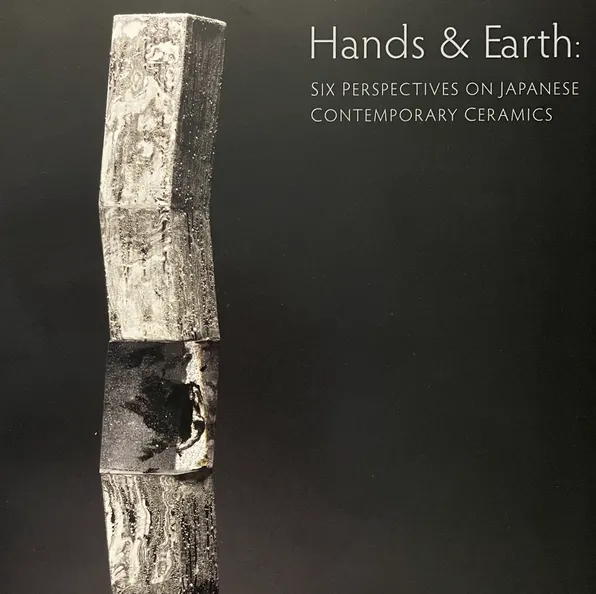
The Artists of HANDS & EARTH
at The Katonah Museum of Art December 1, 2020 - January 24, 2021Read more -
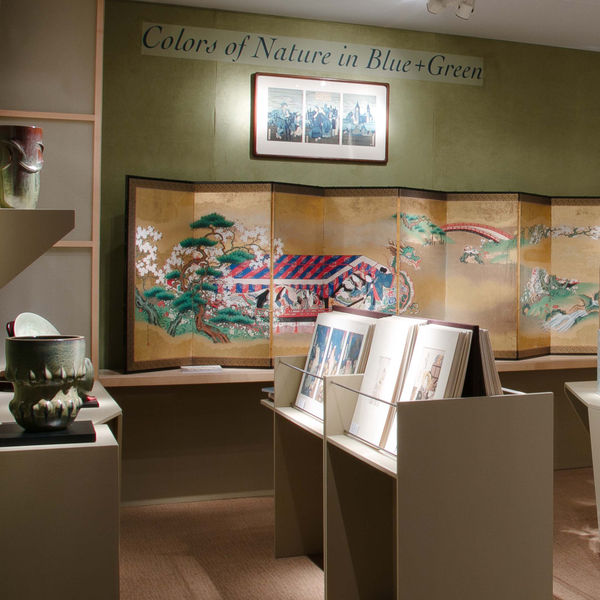
Ao: Colors of Nature in Blue+Green
Winter Antiques Show January 20 - 29, 2017Read more
-
-
-
Publications
-
News
-
Tribute to Katō Tsubusa (1962-2025)
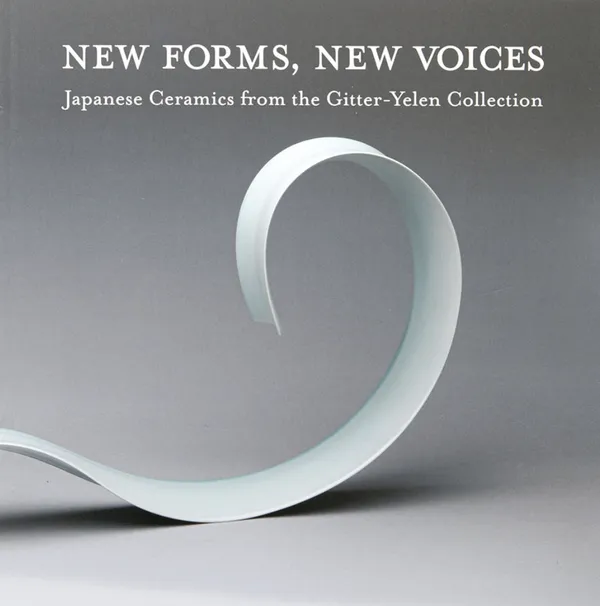
It is with great sadness that we share the news that the inventive porcelain artist Katō Tsubusa (1962–2025) has passed away at the age of sixty-three September 30, 2025Born into a lineage of ceramists that stretched back to the Momoyama era, Katō learned the art form from a young age. Although not initially...Read more -
HANDS & EARTH Review in the Wall Street Journal
A Kiln-Fired Culture December 10, 2020ART REVIEW The Wall Street Journal ‘Hands & Earth: Perspectives on Japanese Contemporary Ceramics’ Review: A Kiln-Fired Culture An exhibition at the Katonah Museum of...Read more -
Japan Ceramic Society
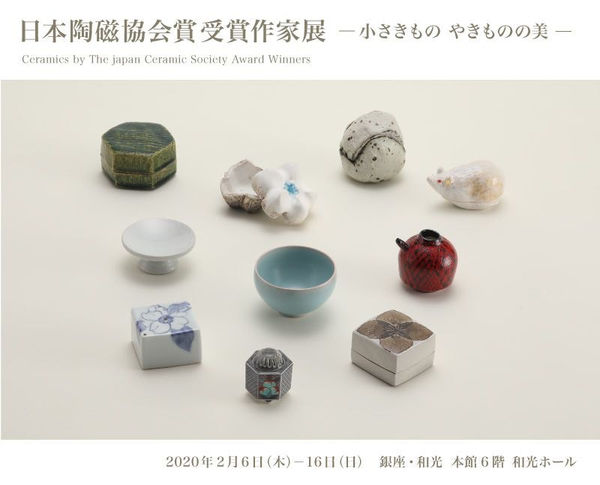
Ceramics by The Japan Ceramic Society Award Winners February 6, 2020The Japan Ceramic Society awards the Japan Ceramic Society Prize to artists who have achieved outstanding work, and the Japan Ceramic Society Gold Prize to...Read more
-
-
Triangular Heart 2001, 2001. Bluish white-glazed porcelain, 35 1/2 x 23 5/8 x 23 5/8 in. Mint Museum, 2016.29.1.